
How to enter into a stall in Cessna 172. Why do we learn stalls?
We need to be able to recognize when we are in a stall, to know how to recover. When trained, recovery becomes automatic when trained to react. Also, we stall the aircraft whenever we land.
I first learned stalls in Edmonton, at CYBW after about 10 hours of flying.
For a power-off stall:
1) Do your checks. These are a series of checks to do before we are allowed to enter into a stall.
At Centennial flight school in Edmonton we did the “HALT” check, which consisted of:
- H for Height: make sure we are recovered 2000 feet above ground.
- A for Area: we are not over a built up area, such as a residential community or over buildings.
- L for Landing checks: I memorized mine, but they can also be retrieved from your checklist. They consist of: fuel selector valve on both, mixture full rich, carb heat cold, circuit breakers all in, primer in and locked, engine gauges in the green, seat belts on, doors latched, everything tied down in the back and positive pressure on the brakes.
- T for Turn checks: we do clearing turns to check if the area around us is free of traffic. We turn at a 30 degree angle of bank 90 degrees to our right, and 90 degrees to our left.
We are ready to enter into a stall.
2) Maintain altitude and heading – keep pulling back on control column to maintain altitude; this will cause the aircraft to loose speed. Use rudder to maintain heading.
3) Confirm approaching stall: buffeting and stall horn – say “approaching the stall”
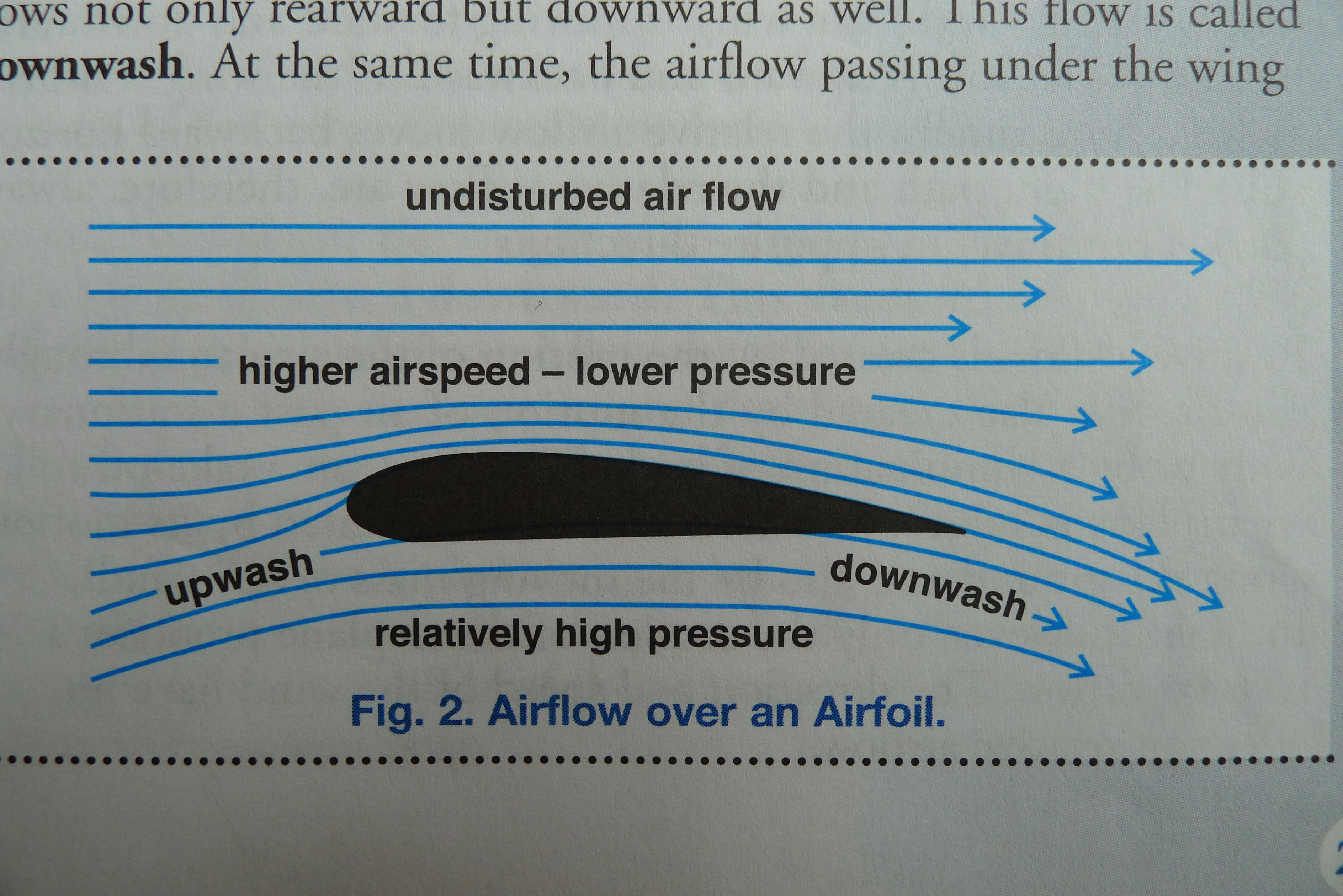
4) Continue full aft on the control column to stall the aircraft. Do not use ailerons in the stall – they are not effective, and only exacerbate a wing’s tendency to drop.
To recover, immediately:
1) Control column forward: nose down attitude
2) Full Power – carb heat cold
3) Maintain heading and regain altitude
4) Level off into cruise
My instructor told me that we have stalled if we loose over 500 feet of altitude with a lose nose high attitude.