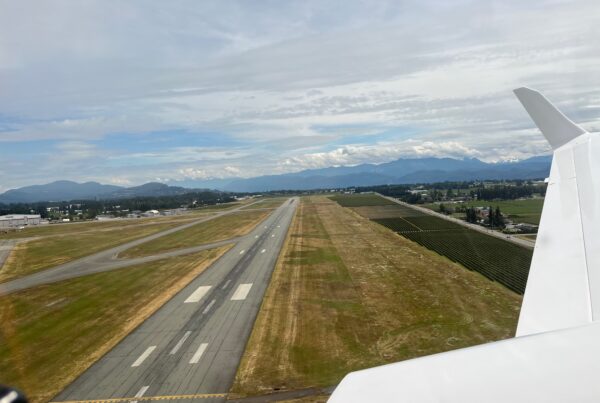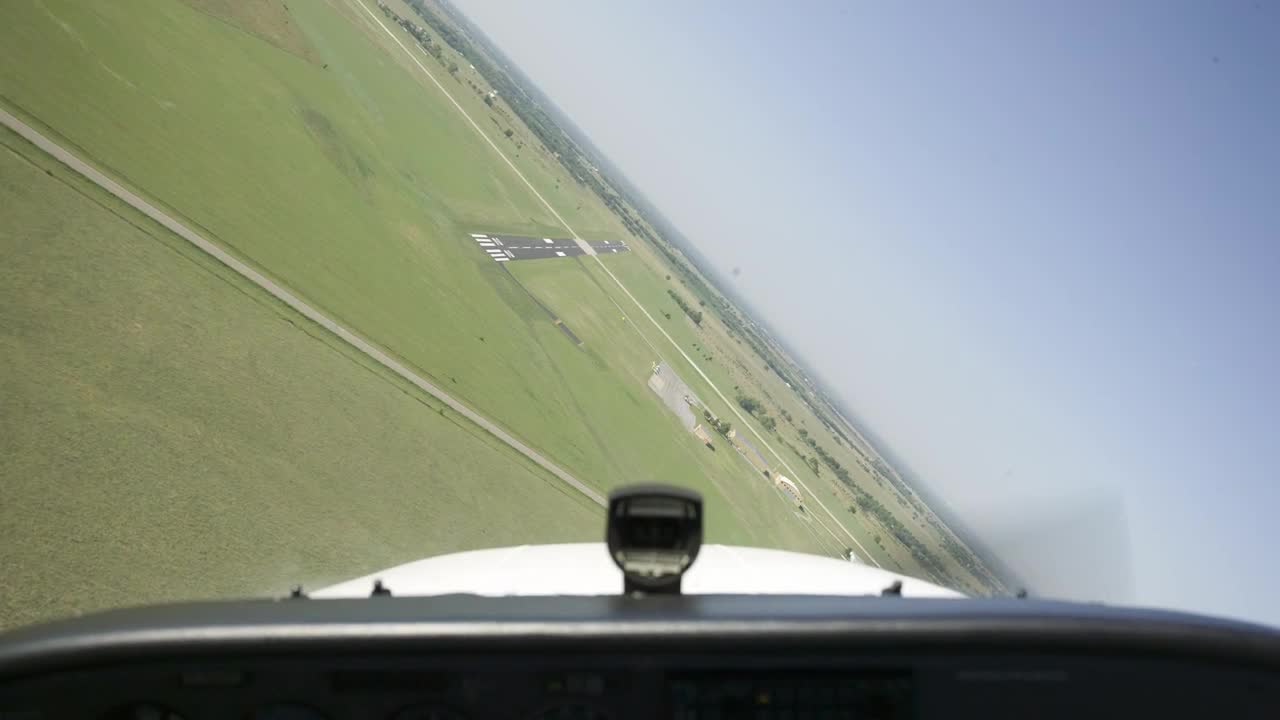

One of the most important and critical turns in the circuit pattern, and in your flight, is when you are ‘low and slow.’ The base to final turn is a critical manoeuvre that when done uncoordinated, can lead to an increased risk of an unrecoverable stall-spin accident. Because we are so low in that phase of flight, recovering from a stall-spin from that altitude is not possible.
When we overshoot this turn is where the problem can become critical. In an attempt to get the airplane back on the proper approach path to make the runway, many pilots add lots of aileron and find this doesn’t get them back on track enough. So, they add rudder in the same direction and though this turns the nose to where the pilot wants to go it also puts them in an uncoordinated flight profile. Watch what happens here:
https://www.youtube.com/watch?v=gXEaIsCV2dg
Overshooting often the cause
After overshooting the base to final turn, forcing the plane into a normal approach can become tragic. The airplane can stall without having enough altitude to recover: once the stall spin develops, there is not much that can be done to bring it back. A lot of the time why this happens is because the pilot turns base, not anticipating a tailwind, and before they know it, the tailwind has blown the plane through base. So in order to get back on track the pilot will attempt to force the plane back on track using lots of aileron and rudder.
Other times the turn will be too timid, some people only turn 10-15 degrees in the pattern, which often does not get enough to get the plane where it needs to go. Then people will push to past 30 degrees, but if this is coordinated, there is no need to bank the plane that far.
The problem comes when we use some aileron to get back on track but that doesn’t work, so we use more rudder to tighten the turn. This results in us being uncoordinated. This increases the bank angle and rate of descent. Many will use opposite aileron to soften the bank angle and pull back on the yoke to check the rate of descent.
This will increase the angle of attack on the inside wing – a stall and spin on the inside wing can come quickly.
How to avoid
If you notice that you are being blown closer to the runway on the downwind, anticipate that this wind will blow you through your base turn. So, turn early, watch your angle of bank and keep coordinated. If you cannot regain your track in a coordinated fashion, simply overshoot. There is no shame in a go-around.