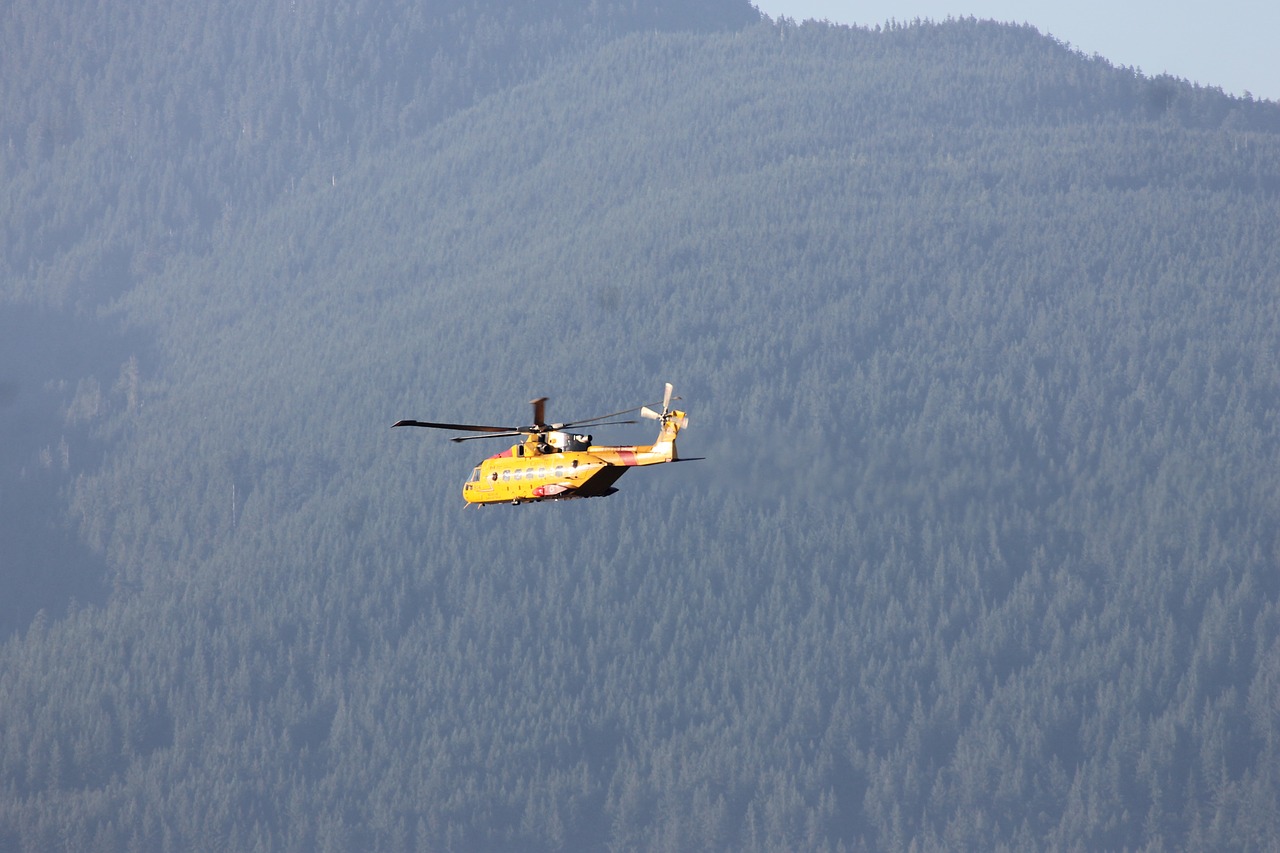

We all know wake turbulence can be very dangerous, and this video shows that helicopter rotor wash is no exception.
Wake turbulence is invisible, extremely powerful and can last for several minutes, making it important to take note where the turbulence likely is, and time until it’s likely dissipated, or plan to fly over it instead of through it.
In this video, a UH-60 Blackhawk helicopter takes off, and only 27 seconds later, a Cirrus SR-20 attempts to land. The airplane appears to fly into the area where rotor wash was produced with disastrous results.
This accident happened in Fort Collins, Colorado. It’s reported that the pilot was only on his second solo in the Cirrus, and attempted to land long after he saw the helicopter take off. The rotor wash the airplane flew into put the plane into a steep left bank which was impossible to recover from since it was only a few feet from the ground.
https://youtu.be/l8EwvDTJeNs
How helicopters produce rotor wash
Helicopters produce rotor wash much in the same way that fixed wing aircraft produce wake turbulence. The lift produced by the rotors create vortices that swirl downward, bounce off the ground and go up again. If winds are light, as they were in this scenario, the turbulence will linger a lot longer. In this situation, the pilot of the Cirrus hits the turbulence 27 seconds after the helicopter took off.
On takeoff, rotor wash is harder to manage. If the pilot was taking off, the pilot would have to plan to have taken off well beyond the point where rotor wash is suspected, and to have climbed enough to avoid it, much like an obstacle take off.
How to avoid rotor wash
Again, these procedures are similar to avoiding wake turbulence. Stay above rotor wash, know the direction the wash will travel due to winds. Stay upwind of the wash and give it several minutes to fully dissipate. Stay above and land beyond where the turbulence is. In this situation, the pilot should have either have tried to land long or just execute a overshoot.
In a controlled airport, air traffic control will help you avoid the wash, but if you’re in an uncontrolled aerodrome, you’ll have to be extra vigilant.